Discover the mesmerising beauty of northwestern Vietnam with our Mu Cang Chai Tours, combining dramatic mountain scenery, golden rice terraces and meaningful cultural experiences in peaceful ethnic villages. This 4-day, 3-night journey takes travellers beyond the familiar tourist routes and into a world where nature, tradition and daily village life remain closely connected.
From the spectacular rice terraces of Mu Cang Chai and the famous Mam Xoi Hill to the tranquil surroundings of Sa Ren Village, every stage of the journey reveals a different side of Vietnam’s northern highlands. Travellers can walk along mist-covered paths, meet local families, stay in a traditional stilt house and experience the sincere hospitality of the Thai people.
This is not simply a sightseeing trip. It is a chance to slow down, breathe fresh mountain air and rediscover the beauty of a simple life.
A Misty Morning in the Northwestern Highlands
The first rays of sunlight appeared gently above the mountains, passing through the morning mist before falling across the rice fields. Tiny drops of dew still rested on the young rice plants, making the entire valley sparkle beneath the soft golden light.
In the distance, local villagers were beginning their day. Their voices, laughter and footsteps gradually brought the quiet countryside to life. Some walked towards the fields carrying farming tools, while others gathered beside the narrow village paths. Their colourful traditional clothing stood out beautifully against the green landscape.
I followed the morning light along a small trail that was still wet from the night’s mist. The earth beneath my feet felt cool, and the surrounding air was so fresh that every breath seemed to clear my mind.
There were no sounds of traffic, no crowded streets and no pressure to hurry. I could hear only birds calling from the trees, water flowing gently nearby and the distant voices of farmers working in the fields.
My footsteps felt unusually light.
The pure mountain air blended with the natural sounds of the valley, creating a feeling of peace that is difficult to find in everyday city life. For a few quiet moments, my mind became completely still. I no longer thought about schedules, messages or unfinished work. I simply followed the path, watched the sunlight move across the fields and allowed myself to become part of the landscape.
That sense of stillness was one of the most meaningful parts of my journey.
Waking Up in a Traditional Thai Stilt House
I had spent the night in a traditional wooden stilt house belonging to a local Thai family. From the outside, the house appeared simple and closely connected to the surrounding village. Inside, however, every detail reflected the care, refinement and practical wisdom of generations of Thai family life.
The sleeping area was clean, comfortable and gently decorated. Soft mattresses had been carefully arranged beneath individual mosquito nets, creating private and peaceful spaces for each guest. The wooden floor, woven fabrics and natural materials gave the room a warm and welcoming atmosphere.
Nothing felt excessive, yet everything we needed had been thoughtfully prepared.
What impressed me most was not the accommodation itself, but the happiness and openness of the people who welcomed us. Their smiles were natural, their conversation sincere and their hospitality came without formality.
The local family did not treat us simply as customers. They welcomed us into their home, explained aspects of village life and made sure that we felt comfortable throughout our stay.
Their lifestyle appeared modest, but it was rich in warmth, family connection and respect for others. Watching the hosts prepare meals, care for their house and speak gently to every guest helped me understand that sophistication does not always come from luxury.
Sometimes, it can be found in a clean room, a carefully prepared meal and the genuine smile of a person welcoming a stranger into their home.
Breakfast Before a New Day of Discovery
Early in the morning, I gently moved aside the mosquito net and stepped quietly onto the wooden floor. The house was already awake.
Downstairs, the host family had prepared breakfast. A hot cup of tea was waiting beside a steaming bowl of noodles served with beef and egg. The fragrance of the broth rose into the cool morning air and immediately made the room feel warm.
It was a simple breakfast, but at that moment it seemed perfect.
Outside, sunlight was beginning to rise above the mountain ridge. Mist still floated above parts of the valley, while the village paths gradually became busier as people began their daily work.
I sat quietly with my tea and looked towards the fields. After a peaceful night in the stilt house, this warm meal gave me the energy to begin another day of our 4-day, 3-night adventure through Mu Cang Chai and Sa Ren Village.
The experience reminded me that some of the best travel memories do not come from grand hotels or complicated activities. They are often created through small moments: waking up in a wooden house, hearing the village come alive, drinking hot tea and sharing breakfast with a local family.
1.1 Where Is Sa Ren Village?
Sa Ren Village lies beside the gentle Thia Stream in the Muong Lo Valley. It was formerly part of Nghia Loi Commune, Nghia Lo Town, Yen Bai Province. Following Vietnam’s administrative restructuring in 2025, Sa Ren is now located in Trung Tam Ward, Lao Cai Province.
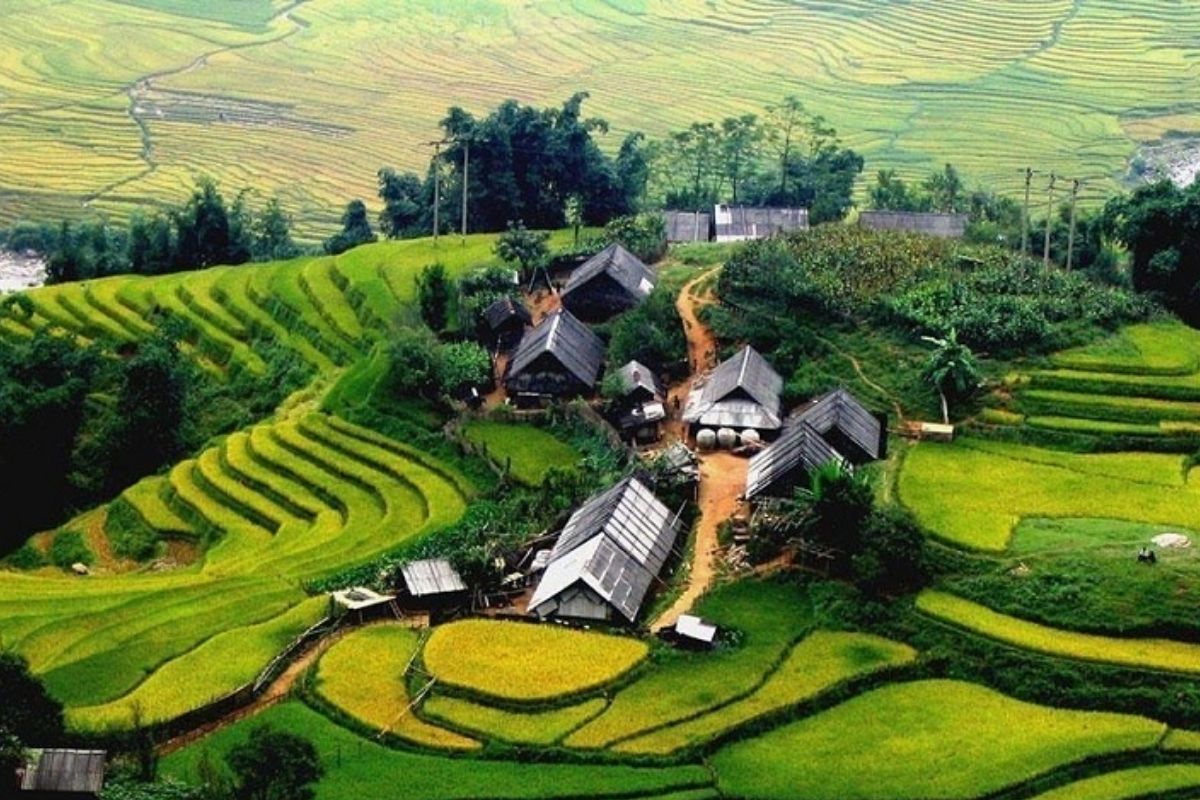
The village is known for its peaceful natural setting, traditional Thai stilt houses, bamboo-lined paths, rice fields and community-based homestays. Its residents have preserved many elements of Thai culture while welcoming visitors who wish to learn about local architecture, cuisine and everyday life.
For many travellers, Sa Ren is an ideal cultural stop before continuing along the mountain roads towards Tu Le and Mu Cang Chai. It offers a gentle introduction to the landscapes and communities of the northwest, without the crowds found at more famous destinations.
Current Address
Sa Ren Village, Trung Tam Ward, Lao Cai Province, Vietnam
Former Address Commonly Used on Maps
Sa Ren Village, Nghia Loi Commune, Nghia Lo Town, Yen Bai Province, Vietnam
Both addresses may appear in travel articles and navigation systems, so visitors should search using the village name as well as the former location when planning their route.
When the Sun Rises Above the Mountains
As the sun climbed higher above the mountains, the cool grey mist slowly disappeared. The rice fields became brighter, and the shapes of the houses, gardens and bamboo groves emerged clearly beneath the morning sky.
Children walked along the village paths. Farmers worked in the fields. Smoke rose gently from several kitchens, carrying the familiar scent of wood fires and breakfast.
The village was no longer silent, but it remained peaceful.
Walking through Sa Ren allowed me to observe daily life without feeling separated from it. I passed wooden stilt houses surrounded by gardens, small fishponds and green fields. Along the paths, villagers greeted us with friendly smiles. Some continued with their work, while others stopped briefly to speak with our guide.
The experience was neither staged nor hurried. It felt like a genuine morning in a living community.
Visitors may explore the village on foot or by bicycle, learn about the design of traditional houses, taste regional dishes and listen to stories about Thai customs. Depending on arrangements with the local community, an evening may also include traditional music, dancing or a shared family meal.
However, the real value of staying in Sa Ren does not depend on how many activities you complete. It comes from spending enough time in the village to notice its rhythm.
You see how people work together, how homes are organised and how hospitality forms a natural part of daily life. You begin to understand that the landscape and the community cannot be separated.
The fields provide food, the streams provide water, the houses reflect the climate, and local traditions help connect one generation with the next.
From Sa Ren Village to Mu Cang Chai
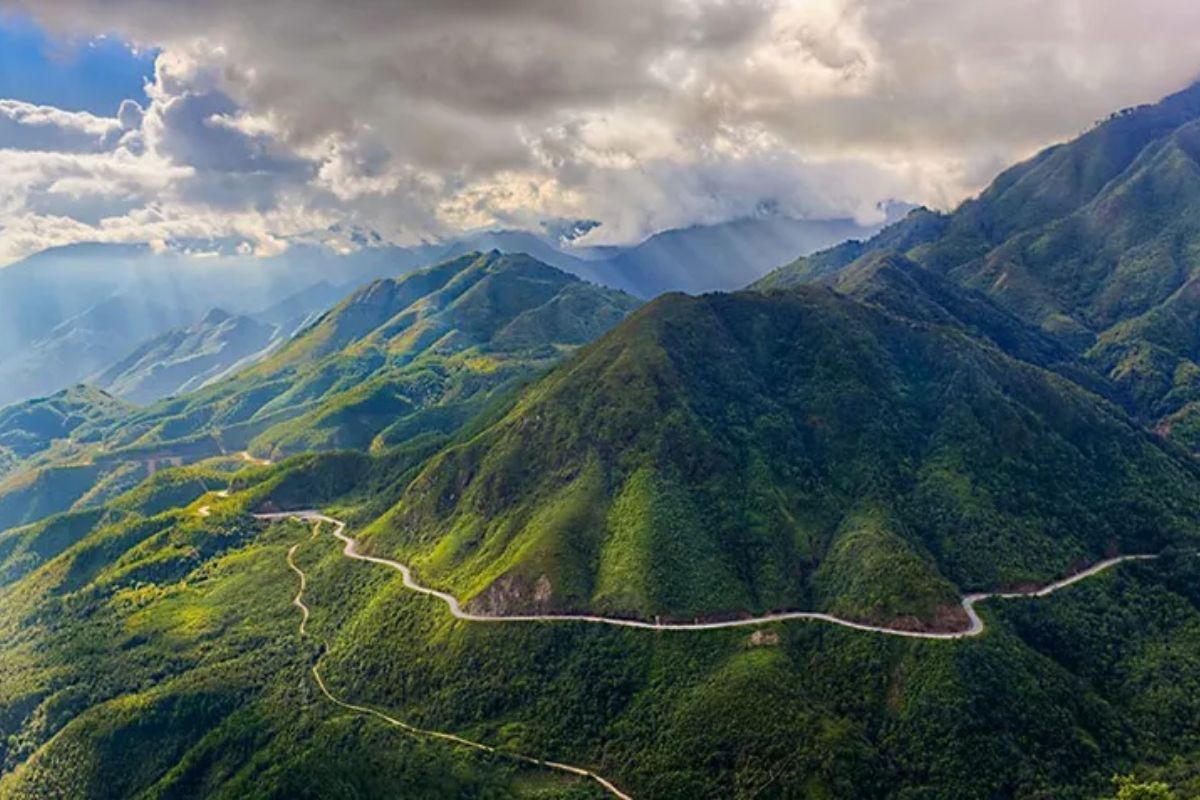
After breakfast, the journey continues deeper into the mountains towards Mu Cang Chai. The road gradually rises through valleys, mountain passes and ethnic villages, offering impressive views at every turn.
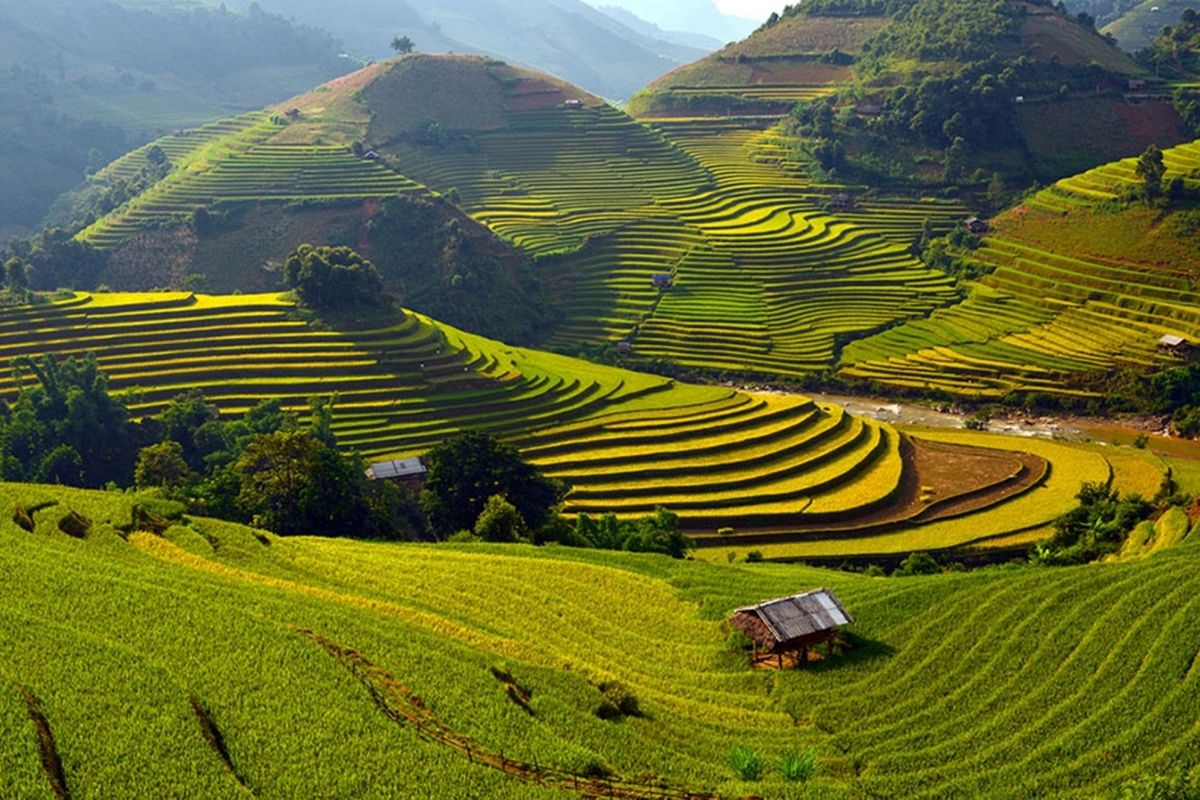
As the altitude changes, the broad fields of Muong Lo give way to steep mountain slopes shaped by generations of farming. Terraces appear one above another, following the natural curves of the hills like enormous steps leading towards the sky.
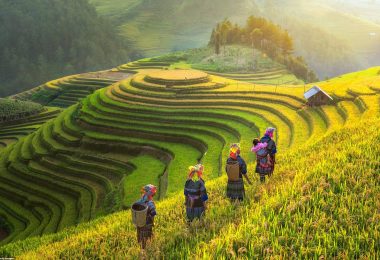
Mu Cang Chai is especially famous for its terraced rice fields. During the growing season, the hills become intensely green. When the rice ripens, the landscape changes into layers of gold. During the water-pouring season, the terraces reflect the clouds and sunlight like hundreds of mountain mirrors.
Among the most recognisable viewpoints is Mam Xoi Hill, where the curved terraces form a distinctive rounded shape. Yet the beauty of Mu Cang Chai is not limited to one famous location. Small villages, quiet trails and unexpected roadside viewpoints often provide equally memorable experiences.
This part of the journey also introduces travellers to the cultural landscapes associated with local Hmong communities. Their homes, farming methods, clothing and village traditions add another cultural dimension to the tour.
By combining Sa Ren with Mu Cang Chai, travellers can experience the heritage of the Thai people in Muong Lo Valley and the extraordinary mountain landscapes and Hmong communities found farther along the route.
A Journey Back to Nature and Real Life
Modern travel often encourages visitors to move quickly from one attraction to another. This 4-day journey offers something different.
It gives you time to walk slowly through rice fields, wake up in a village home, sit beside a cup of hot tea and listen to the natural sounds around you. It allows you to meet people whose lives are closely connected to the land and to appreciate values that are easily overlooked in busy urban environments.
The journey may take only four days, but its meaning can remain much longer.
You may remember the golden terraces, dramatic mountain passes and remarkable views from Mam Xoi Hill. But you may also remember the quieter details: the wet path beneath your feet, the aroma of breakfast in a stilt house, the smile of your host and the sunlight passing through the morning mist.
These simple moments transform a beautiful itinerary into a meaningful travel experience.
Let our Mu Cang Chai Private Package Tours take you beyond the landscape and into the living culture of northwestern Vietnam. Stay with a Thai family in Sa Ren Village, travel through the magnificent mountain scenery and discover a world where nature, tradition and hospitality still exist in harmony.
The road may be winding and the mountains may be distant, but what awaits you is a journey filled with peace, discovery and memories that will remain long after you return home.
Book Mu Cang Chai Private Tours and Stay at Sa Ren Village
Would you like to experience the magnificent rice terraces of Mu Cang Chai and spend a peaceful night in a traditional Thai stilt house at Sa Ren Village?
Impress Travel can arrange a personalised Mu Cang Chai Private Eco Tours for couples, families, groups of friends and company travellers. Your journey can be customised according to your travel dates, group size, preferred accommodation and interests.
Contact Mr Alex to plan your private journey through Mu Cang Chai and Sa Ren Village.
Mr Alex – Impress Travel
Phone/WhatsApp: +84 912 379 189
Email: alex@impresstravel.com