After breakfast at the accommodation, students will check out and travel to Cuc Phuong National Park, Vietnam’s first national park and an important centre for biodiversity conservation.
On arrival, a park guide introduces the tropical forest ecosystem, explaining the roles of plants, insects, birds and mammals within a connected food web. Depending on opening arrangements and the group’s age, you may visit an environmental education facility or an appropriate wildlife rescue centre. Here, they learn why animals become endanger, how rescued wildlife is rehabilitated. And why responsible tourism should never support illegal wildlife products or animal exploitation.
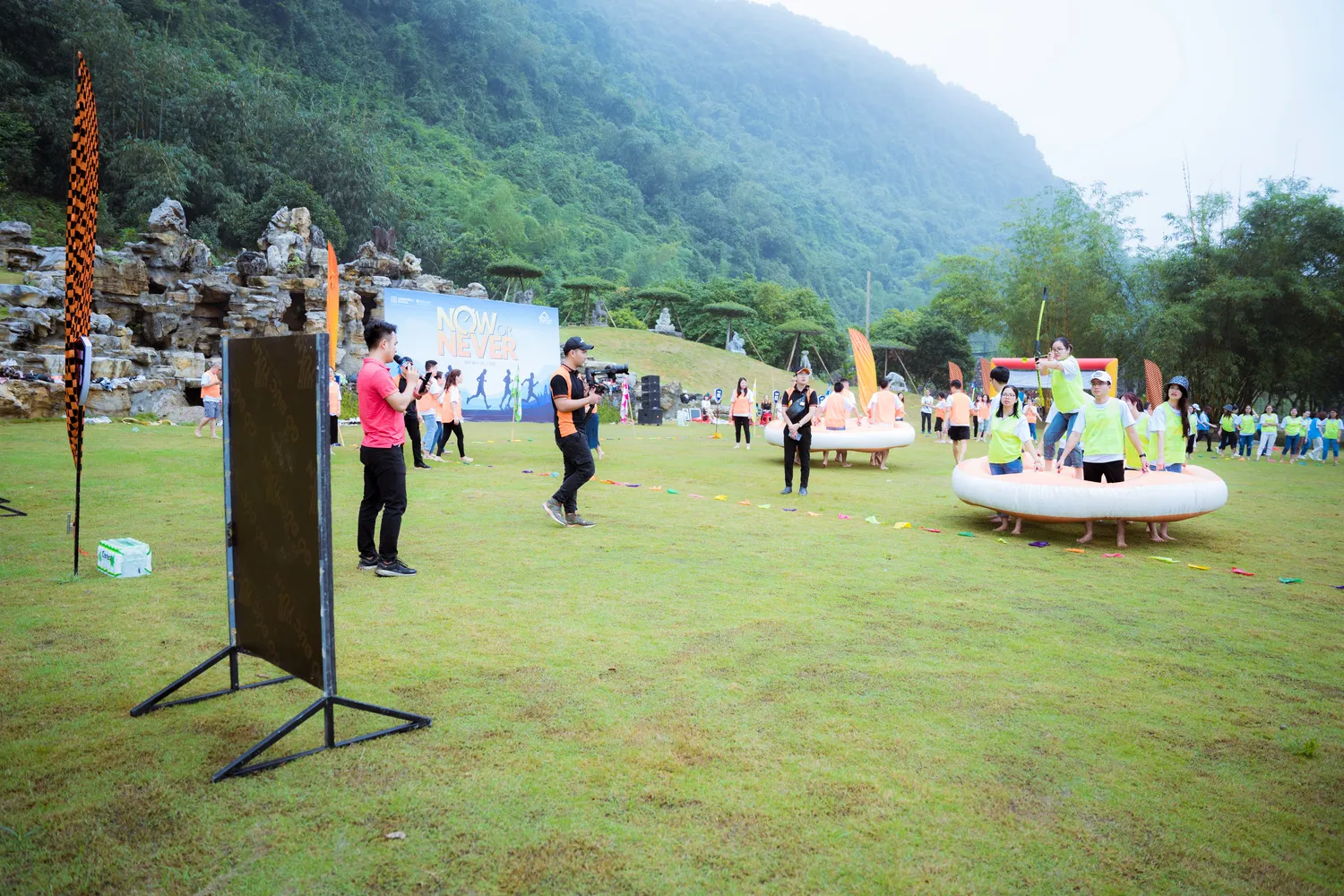
Then, the group will follow an age-appropriate nature trail beneath the forest canopy. Students will work in teams on a biodiversity observation exercise, looking for different leaf structures, signs of animal activity, decomposers and examples of ecological relationships. The activity is observational only: students are reminded not to touch wildlife, remove plants or leave waste behind.
Cuc Phuong offers wildlife-rescue visits, forest trekking and educational activities. So that make it especially suitable for conservation-based learning.
After the walk, students share their findings in a short outdoor reflection circle. Each team presents one practical action that young people can take to protect biodiversity at school or at home.
Following lunch near the national park, the group boards the coach for the return journey to Hanoi. A final onboard review allows students to revisit the trip’s main themes: history, landscape, community, teamwork and conservation.
The tour concludes upon arrival at the agreed location in Hanoi. Students leave with completed field notes, stronger collaborative skills and a more meaningful understanding of Vietnam’s heritage and natural environment.
Educational focus: Forest ecology, endangered wildlife, conservation and personal reflection.
Meals: Breakfast and Lunch